AI Audit — Advisory — Adoption
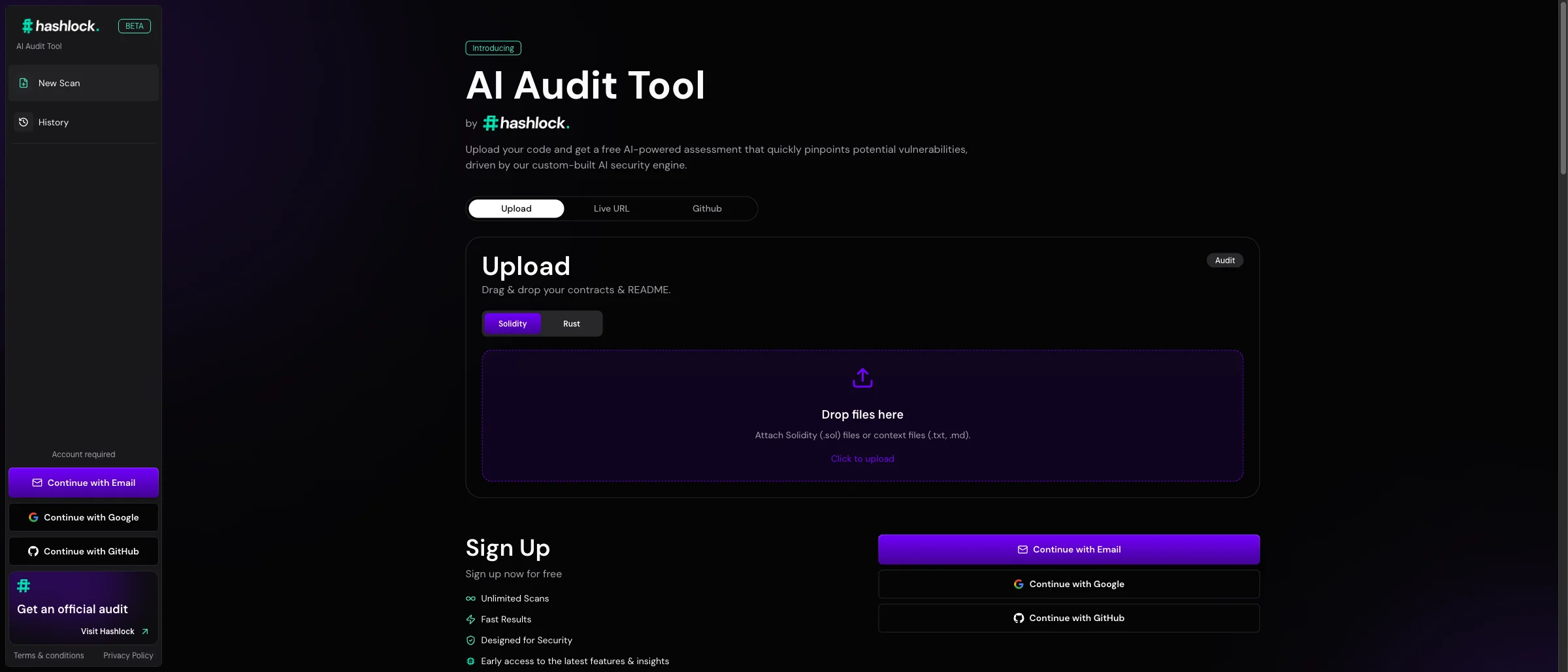
Hashlock AI Auditor
An AI-powered smart contract auditor built on RAG over curated vulnerability knowledge — practical advisory, production-grade.
Read case study
Labrys helps organisations turn AI from curiosity into practical capability. We help identify where AI creates real value, design how it should fit into products and workflows, build the right solutions, and put the right controls around them.
Work out where AI fits, what is worth doing, and how to approach it sensibly. This service is about moving from vague interest to a clear, prioritised plan grounded in workflow reality.
Review the business, user journeys, and operational processes to identify where AI can create measurable value.
Map manual effort, bottlenecks, repetitive work, and decision points where AI can improve speed, consistency, or throughput.
Practical sessions for leaders and teams to understand what AI is good at, where it fails, and how to use it effectively.
Turn identified opportunities into a practical rollout plan with priorities, stages, ownership, and risk controls.
Design how AI should show up inside products and operations so it is genuinely helpful, not bolted on. The focus is on better workflows, clearer user journeys, and interfaces that make AI usable and trustworthy.
Small AI-powered enhancements embedded into existing workflows to help users move faster and complete work with less friction.
Use AI to improve onboarding, qualification, support, guidance, and decision-making through the customer experience.
Internal interfaces that help teams search knowledge, summarise information, complete tasks, and move faster with support.
Design review and control points where people can approve, correct, or guide AI outputs before action is taken.
Build AI-powered products and tools that solve a clear business problem. This includes assistants, knowledge tools, and custom workflow systems that move beyond novelty and actually support work getting done.
Conversational experiences that guide users, collect context, qualify needs, and move them toward an outcome.
AI tools that help staff find and use internal information faster, with better structure and less manual searching.
Purpose-built AI systems designed around a specific business process, operational workflow, or customer interaction.
Improving AI behaviour for specialised terminology, datasets, business rules, or domain-specific requirements.
Take AI from pilot stage to something stable, measurable, and safe to rely on. This is where architecture, controls, evaluation, and cost discipline come together so the solution can operate in a real environment.
Design the system structure, integrations, and orchestration needed to make AI work cleanly inside real software and business environments.
Measure quality, observe behaviour, and track performance so the system can be improved with evidence rather than guesswork.
Apply permissions, human review, approval layers, and operational guardrails to keep AI accountable and reliable.
Improve response quality, speed, and economics through better model selection, prompt refinement, caching, and system tuning.
FAQ